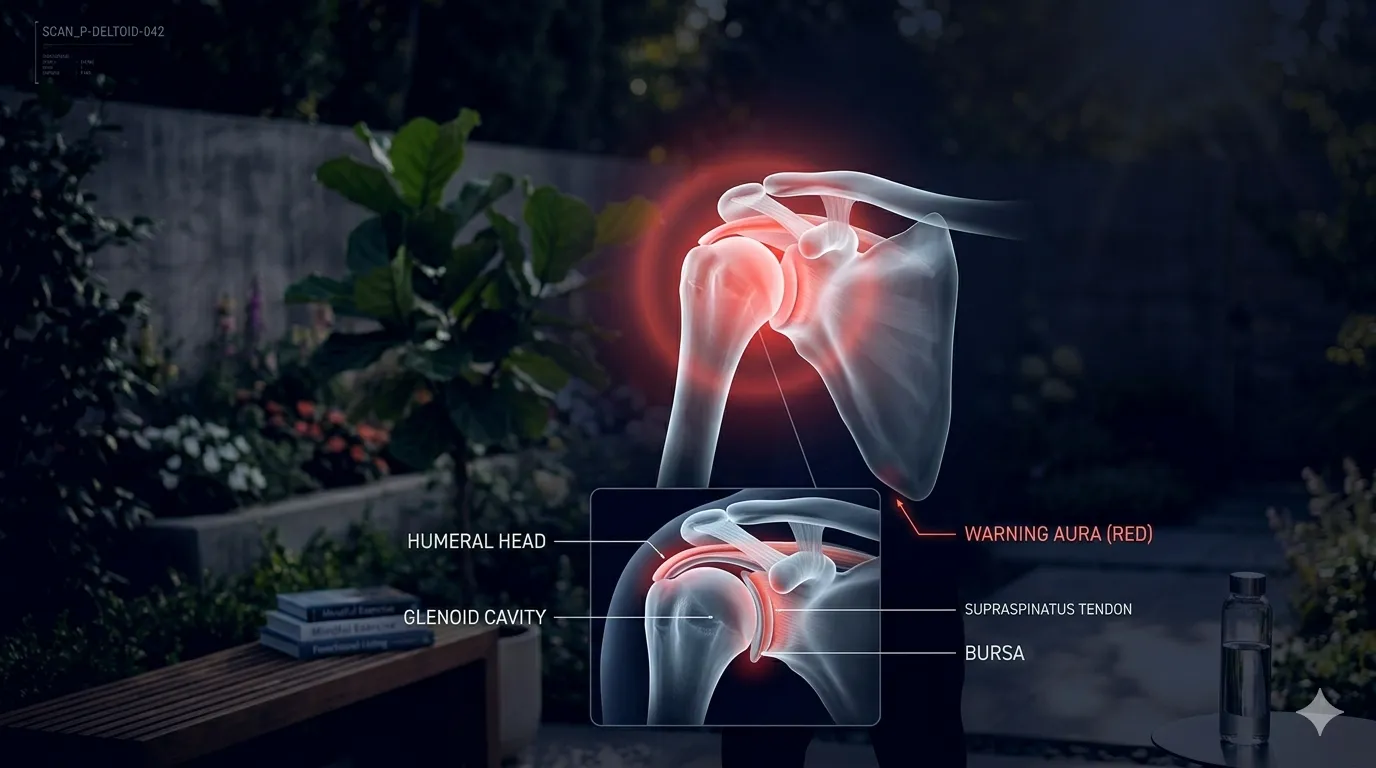
Knee pain and stiffness are common problems among older adults. As people age, the joints naturally lose flexibility and cushioning, making everyday activities like walking, climbing stairs, or standing for long periods more difficult. Conditions such as arthritis, inflammation, muscle weakness, and reduced joint lubrication often contribute to discomfort in the knees.
Fortunately, several effective home remedies can help reduce knee pain and stiffness in elderly individuals without relying entirely on medications. Simple lifestyle changes, natural remedies, and gentle exercises can improve mobility and support joint health over time.
In this article, we will explore the best home remedies for knee pain and stiffness in elderly people and how they can safely manage discomfort at home.
Causes of Knee Pain and Stiffness in Elderly
Before trying remedies, it is important to understand what causes knee pain in older adults. Common causes include:
- Osteoarthritis
- Joint inflammation
- Weak muscles around the knees
- Calcium and vitamin deficiencies
- Excess body weight
- Old injuries
- Reduced physical activity
- Poor blood circulation
Identifying the root cause helps in choosing the right treatment and prevention methods.
1. Apply Hot and Cold Therapy
One of the simplest and most effective home remedies for knee pain is alternating hot and cold compresses.
Cold Therapy
Cold packs help reduce swelling and numb pain. They work best when the knee is swollen or inflamed.
How to use:
- Wrap ice cubes in a towel
- Apply to the knee for 15–20 minutes
- Repeat 3–4 times daily
Heat Therapy
Warm compresses improve blood circulation and reduce stiffness.
How to use:
- Use a heating pad or warm towel
- Apply for 15 minutes
- Ideal in the morning when joints feel stiff
Alternating heat and cold can provide quick relief from discomfort.
2. Gentle Knee Exercises
Regular movement keeps joints flexible and prevents stiffness from getting worse. Elderly individuals should focus on low-impact exercises that strengthen the muscles around the knee.
Best Exercises for Knee Pain
- Walking slowly
- Leg raises
- Chair squats
- Stretching exercises
- Cycling on a stationary bike
- Water exercises
Exercise improves joint mobility and reduces pressure on the knees. However, overexertion should be avoided.
3. Maintain a Healthy Weight
Extra body weight places additional pressure on knee joints. Even small weight loss can significantly reduce knee pain in elderly adults.
Studies show that losing just a few kilograms may decrease joint stress and improve mobility. Eating a balanced diet and staying active can help maintain healthy body weight.
Foods That Support Joint Health
- Green leafy vegetables
- Nuts and seeds
- Fish rich in omega-3
- Fruits like berries and oranges
- Whole grains
Avoid excessive sugar, processed foods, and fried items as they may increase inflammation.
4. Massage with Natural Oils
Massaging the knees with warm natural oils can improve circulation and relax stiff joints.
Best Oils for Knee Massage
- Mustard oil
- Coconut oil
- Olive oil
- Eucalyptus oil
How to use:
- Warm the oil slightly
- Massage gently in circular motions
- Continue for 10–15 minutes
- Repeat daily
Regular massage may reduce stiffness and provide temporary pain relief.
5. Use Turmeric for Inflammation
Turmeric is a popular natural remedy known for its anti-inflammatory properties. Curcumin, the active compound in turmeric, may help reduce joint pain and swelling.
Ways to Consume Turmeric
- Add turmeric to warm milk
- Use in daily cooking
- Drink turmeric tea
Many elderly individuals find regular turmeric consumption helpful for managing arthritis-related knee pain naturally.
6. Stay Physically Active
Long periods of sitting can worsen joint stiffness. Elderly adults should try to stay gently active throughout the day.
Simple Daily Activities
- Short walks
- Light stretching
- Gardening
- Household activities
Movement keeps the joints lubricated and prevents muscles from becoming weak.
7. Improve Vitamin D and Calcium Intake
Weak bones and joints are often linked to vitamin D and calcium deficiency, especially in older adults.
Good Sources of Calcium
- Milk and yogurt
- Cheese
- Almonds
- Leafy vegetables
Sources of Vitamin D
- Morning sunlight
- Eggs
- Fatty fish
- Fortified foods
Consulting a healthcare professional before taking supplements is recommended.
8. Try Epsom Salt Soak
Epsom salt contains magnesium, which may help relax muscles and reduce stiffness.
How to Use
- Add Epsom salt to warm water
- Soak knees or feet for 15–20 minutes
This remedy can be soothing after a long day of activity.
9. Use Knee Support or Braces
Knee braces and support bands provide stability and reduce pressure on painful joints.
They can help elderly individuals:
- Walk more comfortably
- Prevent unnecessary strain
- Improve confidence during movement
However, braces should fit properly and not be overly tight.
10. Stay Hydrated
Joint tissues need proper hydration to function smoothly. Dehydration can increase stiffness and discomfort.
Older adults should drink enough water throughout the day unless advised otherwise by their doctor.
Benefits of Hydration
- Better joint lubrication
- Reduced inflammation
- Improved overall health
11. Practice Proper Rest
Overusing painful knees can worsen inflammation. Adequate rest allows joints to recover.
Helpful Tips
- Avoid standing for long periods
- Elevate legs while resting
- Sleep in a comfortable position
Balance between activity and rest is important for managing chronic knee pain.
When to See a Doctor
Home remedies can help mild to moderate knee pain, but medical attention is necessary if symptoms become severe.
Consult a doctor if:
- Pain lasts for several weeks
- Knee swelling becomes severe
- Walking becomes difficult
- Fever accompanies joint pain
- Knee locks or gives way frequently
Early medical treatment can prevent complications and improve quality of life.
Final Thoughts
Knee pain and stiffness in elderly individuals can affect daily life and independence. Fortunately, many natural and home-based remedies can help reduce discomfort and improve mobility. Regular exercise, healthy eating, proper rest, massage therapy, and anti-inflammatory remedies like turmeric may provide long-term relief.
Consistency is important when using home remedies. Small daily efforts often lead to noticeable improvements over time. Elderly adults should also maintain regular medical checkups to monitor joint health and prevent serious complications.
By combining healthy lifestyle habits with safe home treatments, seniors can manage knee pain more effectively and continue enjoying an active and comfortable life.