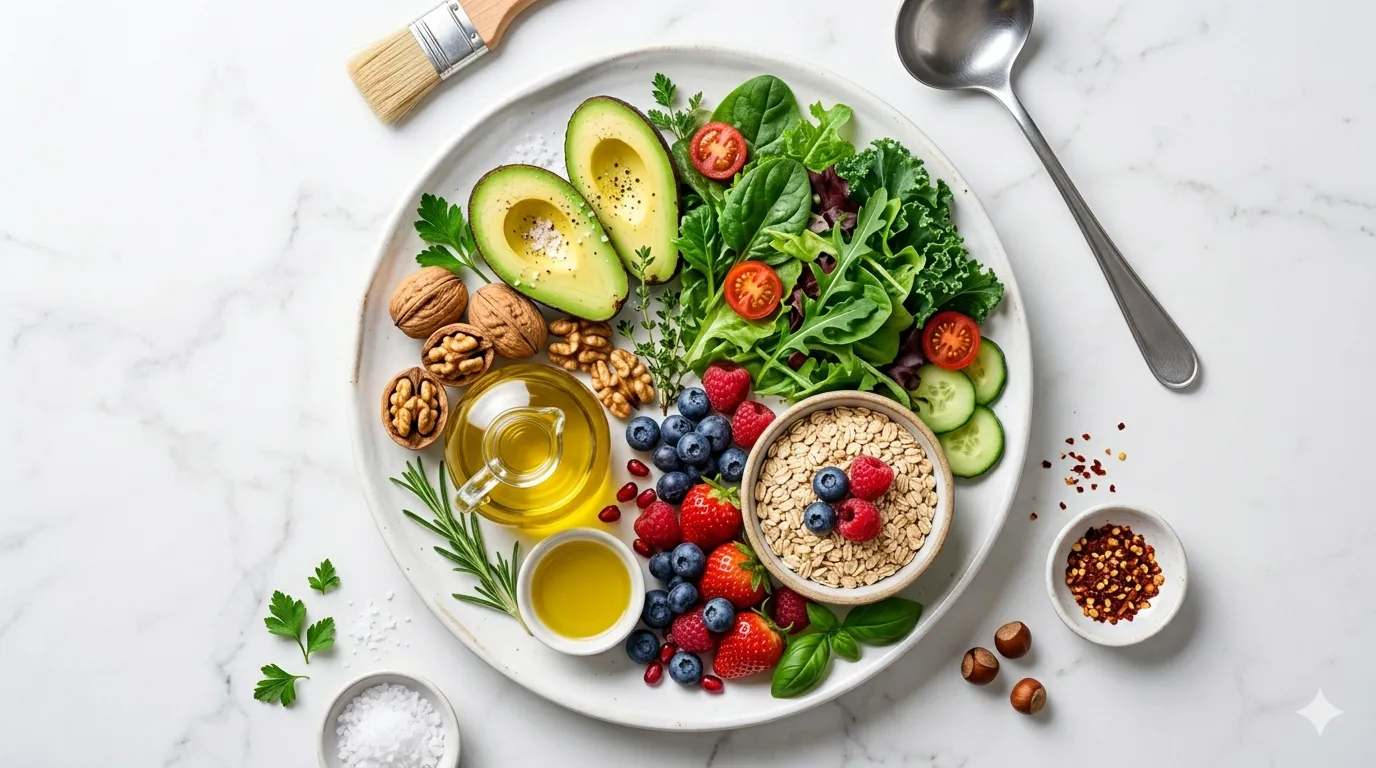
A high-protein diet is one of the most effective strategies for fat loss while preserving lean muscle mass. When you reduce calories for weight loss, there is always a risk of losing muscle along with fat. However, eating enough protein helps protect your muscles, improves metabolism, and keeps you feeling full for longer.
The key is not just eating less, but eating smart—especially when your goal is fat loss without muscle loss.
Why Protein Is Important for Fat Loss
Protein plays a major role in body composition. When you are in a calorie deficit, your body needs energy. If protein intake is low, it may start breaking down muscle for fuel. This slows metabolism and makes fat loss harder.
A high-protein diet helps by:
- Preserving lean muscle during fat loss
- Increasing calorie burning through digestion
- Reducing hunger and cravings
- Improving workout recovery and strength
This is why protein is considered essential for body recomposition.
How Much Protein You Need
Protein needs vary based on body weight and activity level. For fat loss with muscle retention, most people benefit from:
Around 1.6 to 2.2 grams of protein per kilogram of body weight per day.
This ensures your body gets enough building blocks to maintain muscle while burning fat effectively.
Best High-Protein Foods for Fat Loss
A good high-protein diet is based on whole, nutrient-dense foods. Some of the best options include eggs, chicken breast, fish like salmon or tuna, Greek yogurt, paneer, lentils, chickpeas, tofu, and soy products. These foods provide high-quality protein along with important vitamins and minerals.
Eggs are especially useful because they are affordable and highly nutritious. Chicken breast is lean and low in fat, making it ideal for fat loss. Plant-based options like lentils and tofu are also great for those following vegetarian diets.
Sample High-Protein Diet Plan
A simple daily plan can help you understand how to structure meals for fat loss without muscle loss.
In the morning, starting your day with a protein-rich breakfast helps kickstart metabolism. You can have eggs with whole grain toast or oats mixed with Greek yogurt and nuts. This keeps you full and energized for the day.
For mid-morning, a light snack like fruit with a handful of nuts or a protein smoothie works well. It prevents unnecessary hunger and keeps energy levels stable.
Lunch should include a balanced plate with lean protein, complex carbohydrates, and vegetables. Grilled chicken or paneer with brown rice or roti and a side of salad is a good example. This combination supports muscle maintenance and steady energy release.
In the afternoon, you can have a protein-based snack such as boiled eggs, roasted chickpeas, or yogurt. This helps control cravings before dinner.
For dinner, keep it lighter but protein-focused. Options like grilled fish, tofu stir-fry, or dal with vegetables are ideal. Eating a lighter dinner helps digestion and supports fat burning during sleep.
Timing Matters for Protein Intake
Instead of consuming all protein in one meal, it is better to distribute it evenly throughout the day. This helps your body absorb and use protein more effectively for muscle repair and maintenance.
Each meal should ideally contain a good protein source to maintain a steady supply for your muscles.
Foods to Avoid During Fat Loss
While focusing on protein, it is equally important to avoid foods that slow down fat loss. Highly processed foods, sugary snacks, fried items, and sugary drinks can increase calorie intake without providing nutrition.
These foods not only make fat loss harder but can also affect energy levels and appetite control.
Role of Exercise Along With Diet
A high-protein diet works best when combined with strength training or resistance exercises. Exercise signals your body to preserve muscle, while protein provides the material needed to maintain it.
Even simple workouts like weight training, bodyweight exercises, or resistance bands can make a big difference in preserving muscle during fat loss.
Hydration and Recovery
Drinking enough water supports digestion and metabolism. It also helps your body process protein efficiently. Along with hydration, proper sleep is essential because muscle repair happens mainly during rest.
Without good sleep, fat loss becomes slower and muscle recovery is affected.
Final Thoughts
A high-protein diet is one of the most effective ways to lose fat without losing muscle. The key is consistency, balanced meals, and combining diet with regular exercise.
By including quality protein sources in every meal, avoiding processed foods, and maintaining an active lifestyle, you can achieve steady fat loss while keeping your muscle strong and healthy.