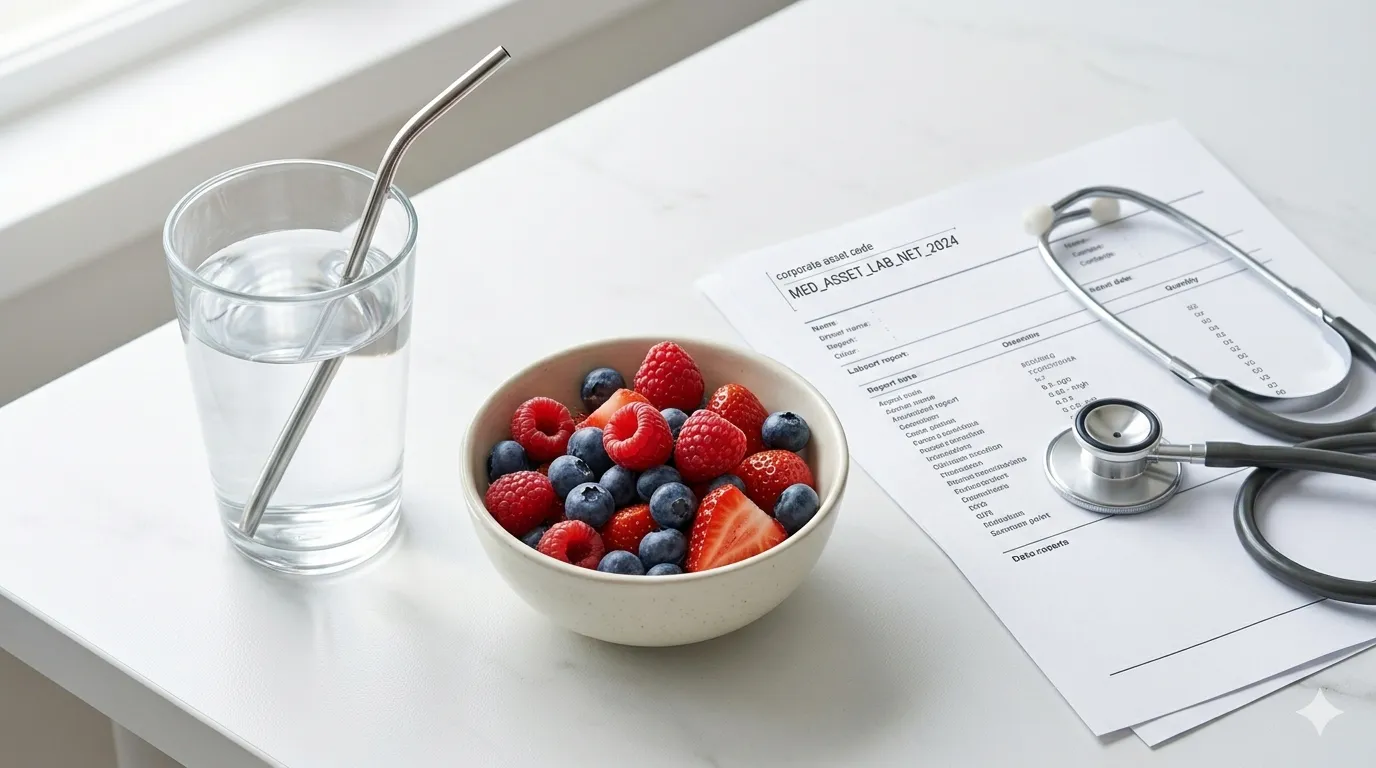
Lowering high blood pressure and cholesterol naturally requires a consistent approach to nutrition that focuses on reducing sodium and saturated fats while increasing heart-healthy nutrients. The following plan is designed to be effective and easy to follow.
1. The Core Principles
The most successful approach for heart health is the DASH Diet (Dietary Approaches to Stop Hypertension), which emphasizes whole foods and specific minerals like potassium, calcium, and magnesium.
- Reduce Sodium: Aim for less than 2,300 mg of salt per day (about one teaspoon).
- Increase Fiber: Soluble fiber helps “bind” cholesterol in the digestive system and drag it out of the body.
- Healthy Fats: Replace saturated fats (butter, lard) with unsaturated fats (olive oil, avocado).
2. Foods to Prioritize
Including these specific foods in your daily routine can lead to measurable improvements in your levels:
- Leafy Greens: Spinach, kale, and fenugreek (methi) are rich in potassium, which helps the kidneys excrete excess sodium.
- Whole Grains: Oats and barley contain beta-glucan, a type of fiber proven to lower LDL (bad cholesterol).
- Garlic: Contains allicin, which can help relax blood vessels and improve blood flow.
- Fatty Fish or Seeds: Salmon, flaxseeds, and walnuts provide Omega-3 fatty acids that reduce inflammation.
- Legumes: Lentils, chickpeas, and beans are excellent low-fat protein sources that keep you full and stabilize blood sugar.
3. Foods to Avoid or Limit
To see natural results, it is crucial to cut back on items that trigger inflammation and arterial plaque:
- Processed Meats: Sausages, bacon, and deli meats are often loaded with sodium and nitrates.
- Trans Fats: Found in many store-bought cookies, crackers, and fried fast foods; these significantly raise bad cholesterol.
- Sugary Drinks: Excessive sugar intake is linked to obesity and high blood pressure.
- Excessive Salt: Avoid adding extra salt to meals and stay away from highly salted packaged snacks.
4. Sample Daily Meal Plan
This plan balances high protein with heart-healthy fibers to ensure you feel satisfied while losing fat or maintaining a healthy weight:
- Early Morning: A glass of warm water with lemon or soaked fenugreek seeds.
- Breakfast: Steel-cut oats with berries or a moong dal chilla with plenty of vegetables.
- Mid-Morning Snack: A handful of unsalted almonds or an apple.
- Lunch: A large bowl of salad, one bowl of lentils (dal), and a small portion of brown rice or a multi-grain roti.
- Evening Snack: Roasted chickpeas (chana) or a cup of green tea.
- Dinner: Grilled lean protein (like chicken breast or paneer) with steamed broccoli and carrots.
5. Lifestyle Habits for Success
Diet alone is powerful, but these habits act as a multiplier for your heart health:
- Brisk Walking: Aim for 30–40 minutes of fast walking most days to improve circulation and raise “good” HDL cholesterol.
- Hydration: Drink 3–4 liters of water daily to help your kidneys process waste and maintain blood volume.
- Stress Management: High stress increases cortisol, which can raise blood pressure; try meditation or deep breathing exercises.
Would you like me to write the next article on “How to improve heart health after a minor cardiac arrest”?