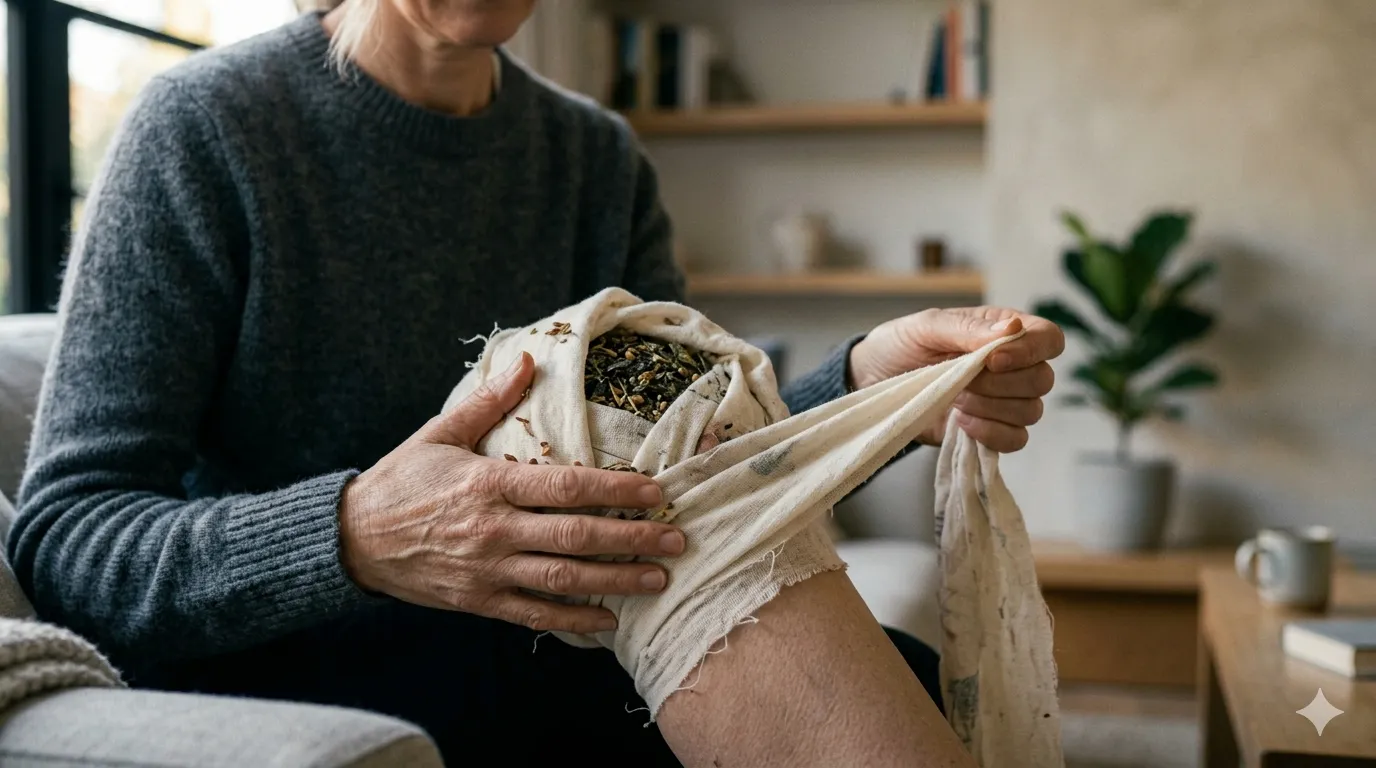
Bone density naturally decreases with age, especially after the age of 50. This happens because the body slowly loses bone mass faster than it can rebuild it. As bones become weaker, the risk of fractures, osteoporosis, and joint problems increases significantly.
Many older adults experience reduced strength in their hips, spine, wrists, and other major bones. Hormonal changes, lack of physical activity, poor nutrition, and vitamin deficiencies can all contribute to bone loss.
The good news is that several natural methods can help improve bone health and support stronger bones even after the age of 50. With proper nutrition, exercise, and healthy lifestyle habits, it is possible to slow bone loss and increase bone density naturally.
Why Bone Density Declines After 50
Bone is living tissue that constantly rebuilds itself. During younger years, the body creates new bone faster than old bone breaks down. However, after the age of 50, this process slows down.
Several factors contribute to bone density loss, including:
- Aging
- Hormonal changes
- Calcium deficiency
- Low vitamin D levels
- Lack of exercise
- Smoking and alcohol use
- Poor diet
- Reduced muscle strength
Women after menopause are especially at higher risk due to lower estrogen levels, which affect bone protection.
Increase Calcium Intake Naturally
Calcium is one of the most important minerals for strong bones. Without enough calcium, the body begins taking calcium from the bones, making them weaker over time.
Natural calcium-rich foods include:
- Milk and yogurt
- Cheese
- Almonds
- Sesame seeds
- Leafy green vegetables
- Tofu
- Sardines
Including calcium-rich foods in daily meals can help maintain bone strength and reduce the risk of fractures.
Get Enough Vitamin D
Vitamin D helps the body absorb calcium properly. Even if calcium intake is high, low vitamin D levels can prevent the body from using it effectively.
Natural ways to improve vitamin D levels include:
- Spending time in morning sunlight
- Eating eggs and fatty fish
- Consuming fortified foods
Many adults over 50 have low vitamin D levels, so regular monitoring may help maintain better bone health.
Do Weight-Bearing Exercises
Exercise is one of the best natural ways to increase bone density after 50. Weight-bearing activities stimulate bone formation and improve strength.
Helpful exercises include:
- Walking
- Stair climbing
- Dancing
- Hiking
- Light jogging
- Resistance training
These activities force the bones to work harder, which encourages the body to build stronger bone tissue.
Strength Training Improves Bone Health
Muscle-strengthening exercises are highly beneficial for aging bones. Resistance exercises place healthy stress on bones and help maintain density.
Examples include:
- Dumbbell exercises
- Resistance bands
- Bodyweight exercises
- Squats
- Lunges
Strength training also improves balance and reduces the risk of falls and fractures in older adults.
Eat More Protein
Protein plays an important role in maintaining healthy bones and muscles. Low protein intake may weaken bone structure and reduce muscle support around joints.
Good sources of protein include:
- Eggs
- Fish
- Chicken
- Beans
- Lentils
- Nuts
- Greek yogurt
Balanced protein intake supports both bone repair and muscle strength.
Maintain a Healthy Body Weight
Being underweight can increase the risk of bone loss and fractures because the bones receive less support and fewer nutrients. On the other hand, excessive body weight may place stress on joints.
Maintaining a healthy body weight through proper diet and regular exercise can help protect bone health and improve mobility.
Reduce Excess Salt and Processed Foods
High sodium intake may increase calcium loss through urine. Processed foods often contain excessive salt, sugar, and unhealthy fats that may negatively affect bone health.
Limiting foods such as:
- Packaged snacks
- Fast food
- Sugary beverages
- Processed meats
can support healthier bones and reduce inflammation in the body.
Avoid Smoking and Excess Alcohol
Smoking weakens bone tissue and reduces the body’s ability to absorb calcium. Excessive alcohol intake may also interfere with bone formation and increase fracture risk.
Quitting smoking and limiting alcohol consumption can significantly improve long-term bone health.
Include Magnesium and Vitamin K
Magnesium and vitamin K are also important for strong bones.
Foods rich in magnesium include:
- Nuts
- Seeds
- Whole grains
- Spinach
Vitamin K can be found in:
- Kale
- Broccoli
- Cabbage
- Green leafy vegetables
These nutrients work together with calcium and vitamin D to support bone density.
Improve Balance and Flexibility
Falls are one of the biggest causes of fractures in older adults. Improving balance and flexibility can help prevent injuries.
Helpful activities include:
- Yoga
- Tai chi
- Stretching exercises
These exercises improve coordination, posture, and muscle control while supporting joint flexibility.
Stay Physically Active Every Day
A sedentary lifestyle can accelerate bone loss. Daily movement helps keep bones and muscles strong.
Simple activities like walking, gardening, stretching, or household work can improve circulation and maintain mobility. Staying active consistently is one of the most effective ways to support healthy aging.
Get Quality Sleep
The body repairs and rebuilds tissues during sleep, including bone tissue. Poor sleep may affect hormone levels related to bone health.
Adults over 50 should aim for consistent and restful sleep each night to support overall health and recovery.
Monitor Bone Health Regularly
Bone density tests can help detect early signs of bone loss before serious fractures occur. Regular health checkups allow early management of osteoporosis and related conditions.
People with a family history of osteoporosis or previous fractures should pay special attention to bone health monitoring.
Final Thoughts
Bone density naturally declines with age, but healthy lifestyle habits can help slow the process and strengthen bones after 50. Proper nutrition, regular exercise, sunlight exposure, and avoiding harmful habits are all essential for maintaining strong and healthy bones.
Weight-bearing exercises, calcium-rich foods, vitamin D, and strength training play a major role in improving bone density naturally. Consistency is the key to long-term bone health and reducing the risk of fractures and osteoporosis.
By making small daily changes and staying physically active, older adults can protect their bones, improve mobility, and maintain a healthier and more independent lifestyle.