Chronic kidney disease, also known as CKD, affects the kidneys’ ability to filter waste, balance fluids, and maintain important minerals in the body. As kidney function declines, harmful substances can build up in the bloodstream and lead to serious health complications.
Diet plays a major role in managing chronic kidney disease. Eating the right foods may help reduce pressure on the kidneys, control symptoms, and slow the progression of the disease. On the other hand, certain foods can worsen kidney damage and increase complications such as high blood pressure, fluid retention, and electrolyte imbalance.
Understanding which foods to eat and avoid is essential for supporting kidney health and improving overall quality of life.
Why Diet Matters in Chronic Kidney Disease
Healthy kidneys remove excess sodium, potassium, phosphorus, and waste from the blood. When kidney function declines, these substances may build up to dangerous levels.
A kidney-friendly diet can help:
- Reduce waste buildup
- Control blood pressure
- Manage blood sugar
- Prevent fluid retention
- Protect heart health
- Slow kidney damage progression
Diet recommendations may vary depending on the stage of kidney disease, so medical guidance is important.
Best Foods for Chronic Kidney Disease Patients
Choosing nutrient-rich foods with lower sodium, potassium, and phosphorus levels can help support kidney function.
Cauliflower
Cauliflower is a kidney-friendly vegetable rich in fiber, vitamin C, and antioxidants. It is naturally lower in potassium than many other vegetables, making it a good option for CKD patients.
Cauliflower can be used in soups, salads, roasted dishes, or as a substitute for mashed potatoes or rice.
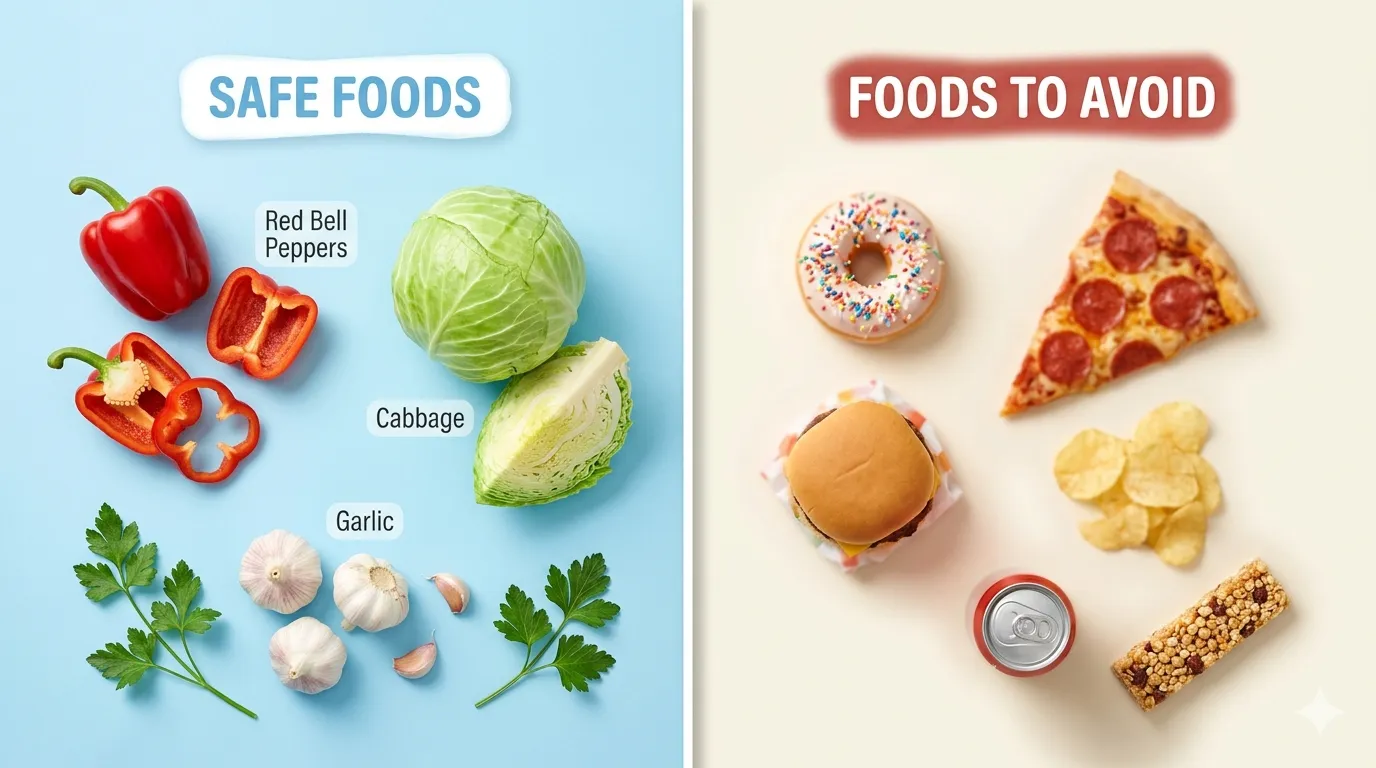
Cabbage
Cabbage contains vitamins, fiber, and beneficial plant compounds while remaining relatively low in potassium.
It supports digestion and can easily be included in salads, soups, or stir-fry meals for a healthy kidney-friendly diet.
Blueberries
Blueberries are rich in antioxidants that help protect the body from inflammation and oxidative stress.
They are lower in potassium compared to many fruits and may support heart and kidney health when eaten in moderation.
Apples
Apples are a good source of fiber and anti-inflammatory compounds. They may help support digestion, heart health, and blood sugar control.
Fresh apples make a healthy snack choice for many people with chronic kidney disease.
Egg Whites
Egg whites provide high-quality protein with lower phosphorus levels than whole eggs.
Protein is important for muscle maintenance, but excessive protein intake may place extra stress on the kidneys. Egg whites offer a kidney-friendly protein option in moderation.
Fish Rich in Omega-3
Certain fish such as salmon and tuna contain healthy omega-3 fatty acids that may help reduce inflammation and support heart health.
Heart disease risk is often higher in CKD patients, so healthy fats can be beneficial when consumed appropriately.
Olive Oil
Olive oil is a healthy fat source that supports heart health and reduces inflammation.
It can replace unhealthy fats and processed oils in cooking while adding flavor without excess sodium or phosphorus.
Garlic and Onions
Garlic and onions add flavor to meals naturally without relying on excess salt.
Reducing sodium intake is important for kidney disease patients, and these ingredients can make food more enjoyable while supporting heart health.
White Rice and Refined Grains
In some stages of CKD, white rice and refined grains may be preferred over whole grains because they contain lower amounts of phosphorus and potassium.
Portion control is still important, especially for individuals with diabetes.
Red Bell Peppers
Red bell peppers are low in potassium and rich in vitamins A and C.
They can be added to salads, soups, or cooked meals to increase nutrition without placing extra stress on the kidneys.
Foods Chronic Kidney Disease Patients Should Avoid
Certain foods may increase waste buildup, fluid retention, and mineral imbalance in people with CKD.
Processed and Packaged Foods
Processed foods often contain very high amounts of sodium, preservatives, and phosphorus additives.
Examples include:
- Chips
- Instant noodles
- Frozen meals
- Processed meats
- Fast food
Excess sodium can increase blood pressure and fluid retention, making kidney problems worse.
Salty Foods
High sodium intake can place additional strain on damaged kidneys.
Foods to limit include:
- Pickles
- Salted snacks
- Canned soups
- Sauces
- Restaurant fast foods
Reducing salt intake may help control blood pressure and swelling.
Dark-Colored Sodas
Many dark soft drinks contain phosphorus additives that may be harmful to CKD patients.
High phosphorus levels can weaken bones and affect heart health when kidneys cannot remove excess phosphorus effectively.
Processed Meats
Bacon, sausage, hot dogs, and deli meats are usually high in sodium and preservatives.
These foods may increase blood pressure and contribute to kidney stress and fluid imbalance.
Bananas
Bananas are rich in potassium. In advanced kidney disease, excess potassium can build up in the blood and affect heart rhythm.
Depending on kidney function, doctors may recommend limiting high-potassium foods like bananas.
Oranges and Orange Juice
Although nutritious, oranges and orange juice are also high in potassium and may need to be limited in some CKD patients.
Lower-potassium fruit alternatives may be safer in later stages of kidney disease.
Potatoes
Potatoes contain high amounts of potassium. However, soaking and boiling them may reduce potassium levels somewhat.
Moderation is important, especially for people with advanced CKD.
Dairy Products
Milk, cheese, and yogurt contain phosphorus and potassium, which may become difficult for damaged kidneys to manage.
Excess phosphorus can weaken bones and increase complications over time.
Nuts and Seeds
Although healthy for many people, nuts and seeds can contain significant amounts of phosphorus and potassium.
CKD patients may need to limit portion sizes depending on their kidney function.
Excess Protein Intake
Protein is important for health, but too much protein may create additional waste products that damaged kidneys struggle to filter.
Large amounts of red meat and excessive protein supplements may increase kidney workload.
Balanced protein intake should follow medical advice.
Importance of Fluid Management
Some CKD patients may need to monitor fluid intake, especially in advanced stages of kidney disease.
Too much fluid can lead to:
- Swelling
- High blood pressure
- Breathing difficulties
Fluid needs vary depending on individual kidney function and treatment plans.
Tips for a Kidney-Friendly Diet
Helpful dietary habits include:
- Cooking meals at home
- Reading food labels carefully
- Limiting processed foods
- Choosing fresh ingredients
- Reducing salt intake
- Following portion control
- Working with a dietitian if possible
Personalized nutrition plans are often the safest approach for managing chronic kidney disease.
When to Consult a Doctor or Dietitian
Diet needs may change as kidney disease progresses. Medical guidance is important to prevent nutritional deficiencies and manage complications safely.
Consult a healthcare provider if you experience:
- Swelling
- High blood pressure
- Appetite loss
- Sudden weight changes
- Weakness
- Changes in urination
A registered dietitian can help create a meal plan based on kidney function, blood test results, and overall health.
Final Thoughts
Managing chronic kidney disease requires careful attention to diet and lifestyle habits. Choosing kidney-friendly foods such as cauliflower, apples, blueberries, egg whites, and healthy fats may help support kidney function and overall health.
At the same time, limiting sodium, processed foods, high-potassium foods, phosphorus-rich foods, and excessive protein intake can reduce stress on the kidneys and prevent complications.
A balanced and medically guided diet, along with regular health monitoring, can help chronic kidney disease patients maintain better health and improve quality of life over time.